



Introduction
Blended family refers to a family where a child or children from the previous families or relationship is always accommodated into the newly created family in the new marriage. A blended family may include just one child drawn from the previous family. However, there are instances when the blended families become more complex especially when more than one child is drawn from either side of the marriage. In the United States of America, it is expected that nearly a third of the children do live in blended families until a late age of 18 years old. Abnormal families are usually considered as being abnormal though to some extent there are considerations of the blended families to be regular.
Increase in Blended families
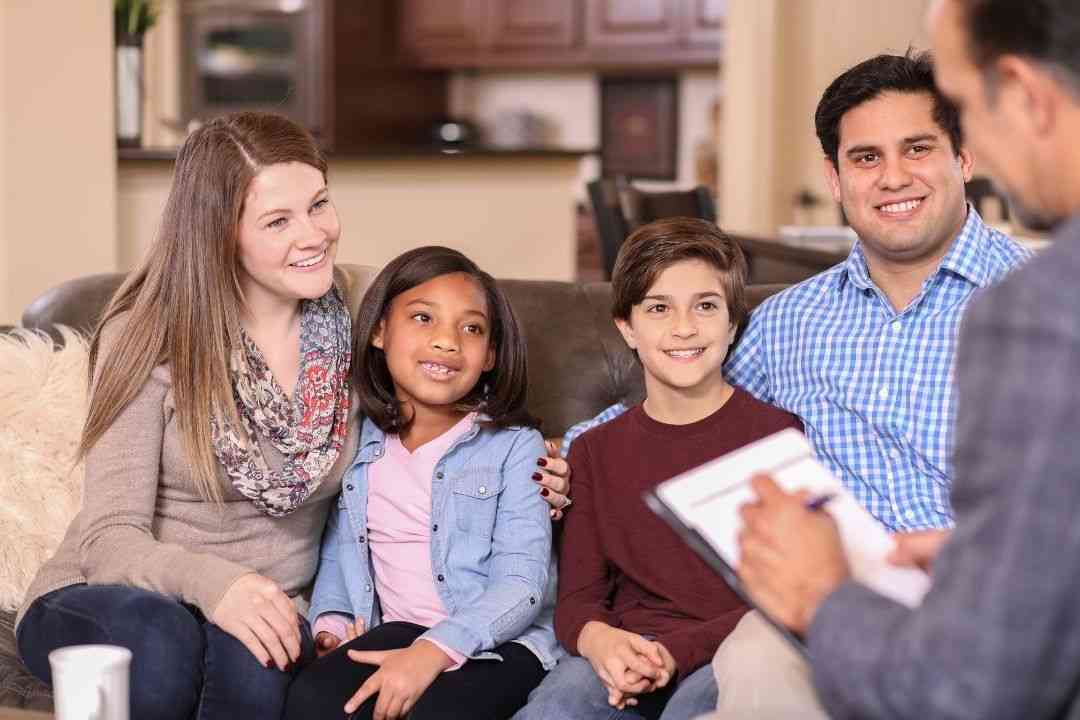
Presently, most Americans are grown up in blended families with very few of them rose in the nuclear families as was in the traditions. This high increase of the blended families has been as a result of an increase in the rate of divorce among marriages. This change of the family settings has compelled the new families to be blended. This has ultimately led to the altering of the values and culture of the United States of America. The socialization process also projects the change in the family setting as a result of an increase in blended families. (Marsolini, 2000).
Conflicts
The blended families do experience challenges as far as values and the cultures. For instance, children in the blended families are always exposed to living under high conflicts. Blended families are bound to have conflicts especially because there are always children who are not born by the step parents. There is always a possibility of the blended families falling apart again as a result of these hiked conflicts. Unrealistic expectations from both or one parent do greatly contribute to these conflicts.
Deterioration of respect
The culture and value of parental respect is always compromised on. It is always expected that children love and respect their parents and the vice versa. However, this is always not the case as the stepchildren are always remorseful and adamant to not giving respect to their step parents. The same is always the case with the step parents who always despise their blended children on the basis that they are not their biological children. This always leads to an increase of indiscipline and vices among the children who usually grow up lacking the right direction of life. Some children always grow to be hostile and have weird behaviour as a result of the frustrations experienced through their blended family life. (Hurwitz, 1997)
Lack of discipline

Discipline is always farfetched in blended families. Most of the step parents are always torn between administering the discipline to their stepchildren and giving them time to adjust to their new environment. This is also always as a result of instances when their dad’s girlfriends do turn out to be their step parents. Discipline has been the cause of tensions in blended families. The lack of parental consistency does confuse the kids and they start having a sense of insecurity. This amounts to lack of trust as a result of lack of discipline which is effective and fair. The parents always fall short of the values which they expect their stepchildren to have alongside the rules to be observed in the household.
Conclusion
There has been a change of culture and values as a result of the increase of blended families. This has been as a result of an increase in the rate of divorces. The effects on the culture in America have been intense as children are raised under strenuous conditions with limited parental care and love. The children do end up growing into irresponsible adults thus a further erosion of the cultural values.
